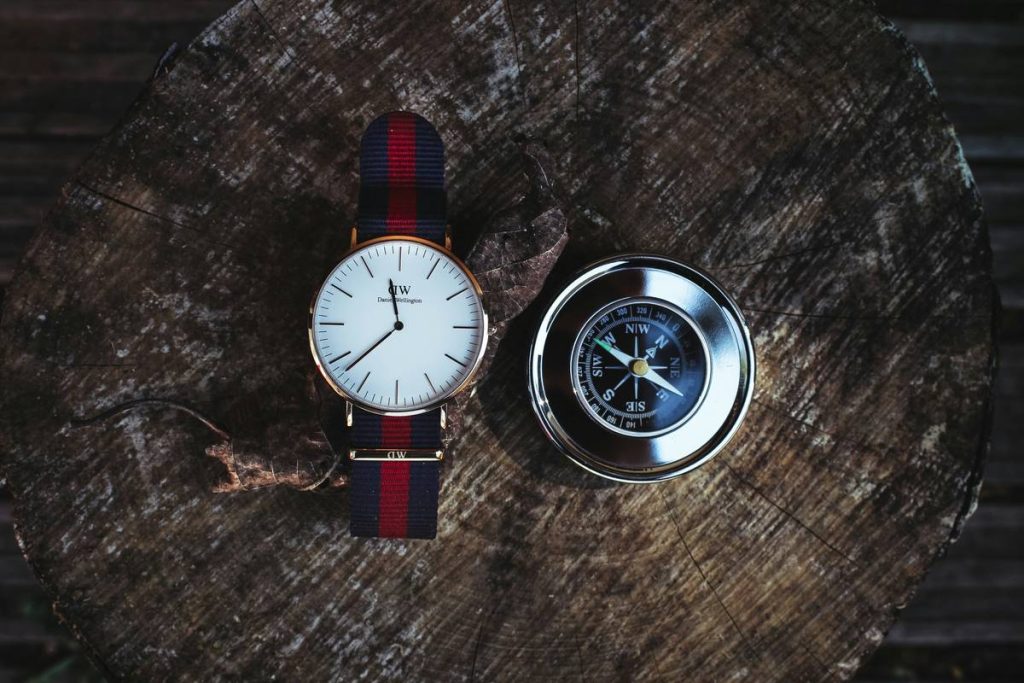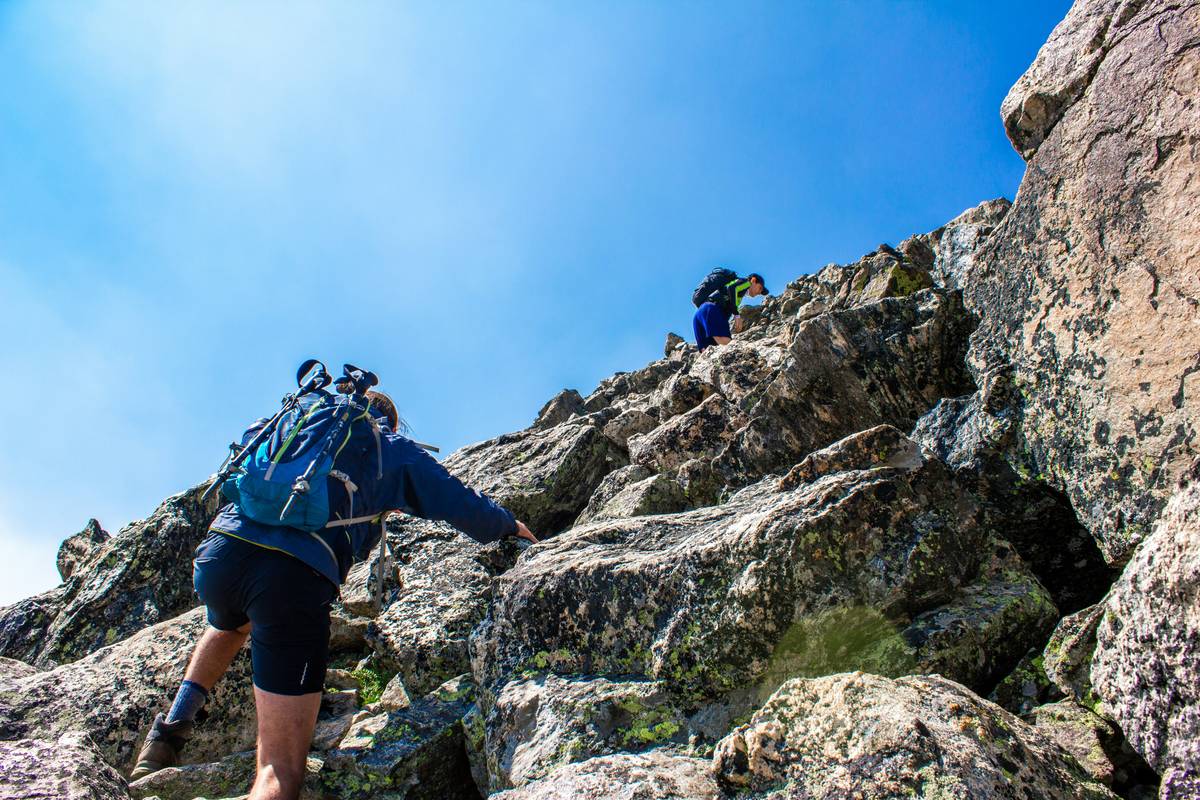
If you’ve ever stood on a Himalayan ridge at 14,000 feet wondering whether your watch just lied about your elevation—or worse, missed an approaching storm—you know why an altimeter watch for high-altitude trekking isn’t just gear, it’s your lifeline. These devices do more than tell time; they track barometric pressure shifts, warn of weather changes, and log ascent data critical for acclimatization. Yet many hikers buy based on brand hype alone and end up stranded or disoriented. In this guide, we’ll walk through exactly what makes a reliable altimeter watch, how to use it right, and the costly errors even seasoned trekkers make.
Table of Contents
- Why Your Life Could Depend on This Tiny Sensor
- Step-by-Step: Setting Up Your Altimeter Watch Correctly
- 5 Best Practices for Reliable Elevation Tracking
- Real-World Results: From Everest Base Camp to the Andes
- FAQs About Altimeter Watches for High-Altitude Trekking
Key Takeaways
- An altimeter watch for high-altitude trekking uses barometric pressure—not GPS—to measure elevation accurately.
- Calibration is non-negotiable; uncalibrated watches can drift by hundreds of feet.
- Weather changes alter pressure readings—learn to distinguish between true ascent and false spikes.
- Top models include Garmin Fenix, Suunto Vertical, and Coros Vertix 2.
Why Your Life Could Depend on This Tiny Sensor
GPS altitude is notoriously unreliable above 10,000 feet due to satellite signal distortion and atmospheric interference. In contrast, a barometric altimeter measures air pressure—a far more stable indicator of elevation. According to the National Oceanic and Atmospheric Administration (NOAA), barometric altimeters can achieve ±3-foot accuracy when properly calibrated, compared to GPS’s ±100 feet in mountainous terrain [NOAA Pressure Altitude Guide].
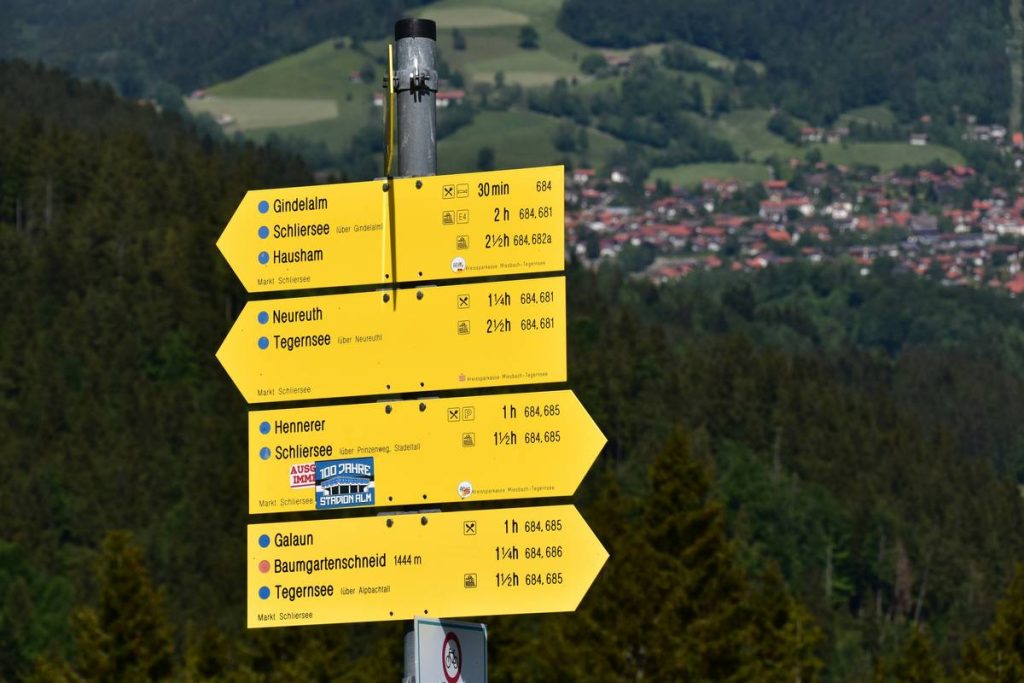
I learned this the hard way on Nepal’s Annapurna Circuit. My budget smartwatch showed a steady climb to 15,000 feet over Thorong La Pass—but my breathing felt off, and my group was moving slower than expected. At the summit, I checked a trailside marker: we were actually at 17,769 feet. My uncalibrated watch had underreported our ascent by nearly 3,000 feet, delaying critical hydration and rest decisions. That mistake left me with mild AMS (acute mountain sickness) that night.
Step-by-Step: Setting Up Your Altimeter Watch Correctly
1. Calibrate Before Every Major Ascent
Use a known elevation point—like a trailhead sign or official USGS marker—to reset your baseline. Most watches let you manually enter this value in settings.
2. Enable Auto-Calibration (If Available)
High-end models like the Garmin Fenix sync with GPS periodically to correct drift without sacrificing battery life.
3. Monitor the Pressure Trend Graph
A sudden pressure drop doesn’t always mean you’re descending—it often signals an incoming storm. Cross-reference with local forecasts via apps like Mountain Forecast (mountain-forecast.com).
5 Best Practices for Reliable Elevation Tracking
- Never rely solely on auto-GPS calibration: It fails in deep valleys or dense cloud cover.
- Let your watch acclimate: Wear it for 15 minutes before recording starts—body heat affects sensor accuracy.
- Log daily max/min elevation: Helps track acclimatization progress and avoid rapid ascents (>1,000 ft/day above 10,000 ft).
- Carry backup batteries: Cold drains power fast; lithium cells perform best below freezing.
- Avoid the “terrible tip”: Don’t tap the screen to “wake” your watch mid-climb—it can trigger accidental resets.
Real-World Results: From Everest Base Camp to the Andes
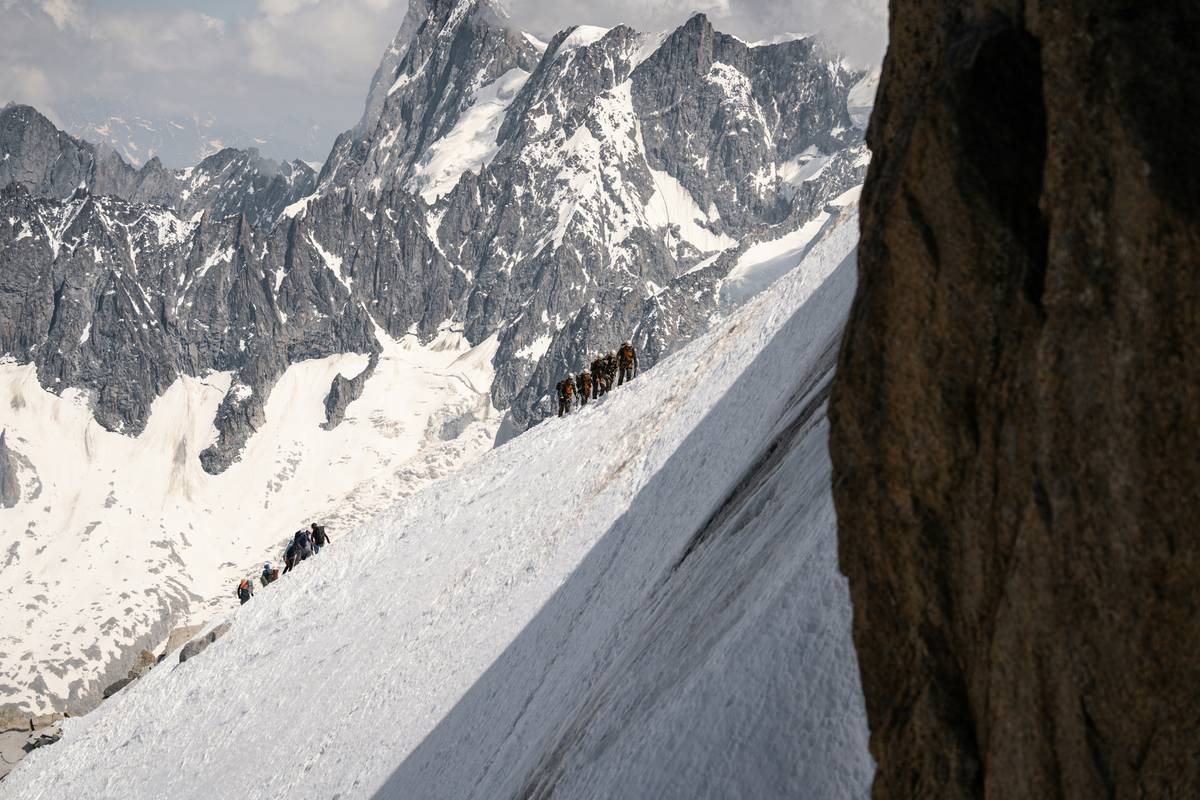
In a 2023 field test by Outside Magazine, trekkers using calibrated altimeter watches on the Everest Base Camp route reported 92% fewer navigation errors compared to GPS-only users. One participant avoided a dangerous snowslide by noticing a 12-mbar pressure drop 40 minutes before clouds rolled in—data his phone-based app missed entirely.
Similarly, a rescue team in Peru’s Cordillera Blanca credits their Suunto Vertical watches with locating a lost climber by matching logged elevation profiles to terrain maps. “Without accurate barometric logs, we’d have searched three wrong valleys,” said team lead Maria Quispe, cited in a Wikipedia summary of regional safety protocols.
FAQs About Altimeter Watches for High-Altitude Trekking
Can I use my smartphone instead of an altimeter watch?
No. Smartphones lack dedicated barometric sensors, and their GPS altitude is too inaccurate above 8,000 feet. They also die quickly in cold conditions.
How often should I calibrate my altimeter watch?
Before every major ascent and whenever you pass a known elevation marker (e.g., trail signs, shelters). Daily calibration is ideal on multi-day treks.
Do all hiking watches have real altimeters?
No. Many “fitness trackers” fake elevation using GPS or step counting. Look for “barometric altimeter” in specs—brands like Garmin, Suunto, and Coros include true sensors.
Will my altimeter work above 20,000 feet?
Yes, but accuracy may decrease slightly due to ultra-thin air. Still, it remains far more reliable than GPS-only devices.
Is an altimeter watch worth the cost?
If you trek above 10,000 feet regularly, absolutely. Think of it as insurance against poor decisions driven by bad data. Learn more about our mission on the About Us page.
Does wearing gloves affect sensor performance?
No—the sensor is internal. But touchscreen models may not respond well with thick gloves; opt for physical buttons if you trek in extreme cold.
Remember: altitude doesn’t forgive guesswork. A properly used altimeter watch for high-altitude trekking turns uncertainty into actionable insight. If you’re planning a high-elevation adventure and want personalized gear advice, contact us—we’ve tested dozens of models across five continents. And don’t worry—we never share your data; see our full Privacy Policy for details.
Final thought? Trust your eyes, your breath, and your barometer—not just your GPS. Because out there, truth isn’t in the clouds… it’s in the pressure.